
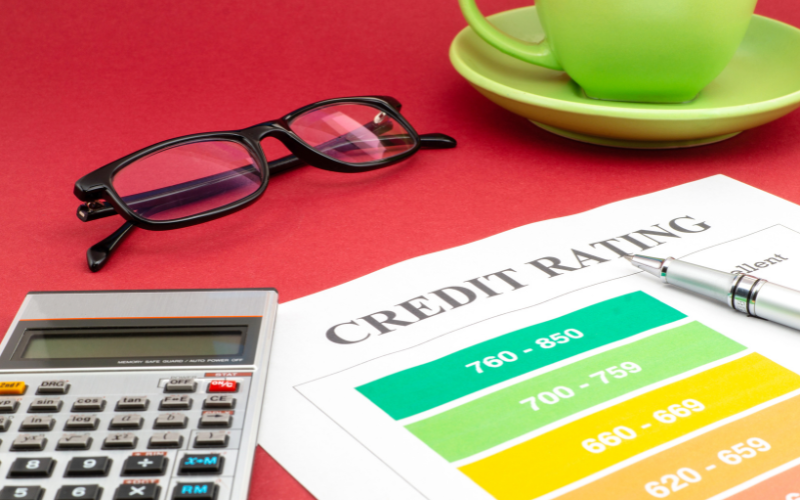
Understanding the Importance of a CIBIL Score
In today’s financial landscape, your CIBIL score plays a vital role in determining your financial credibility. Whether you are applying for a loan, a credit card, or even certain financial services, lenders rely heavily on this score to evaluate how responsibly you handle credit. A higher score indicates that you are a reliable borrower, which increases your chances of getting approvals at better interest rates. One of the most effective tools to build and improve this score is a credit card. When used wisely, a credit card can help you establish a strong credit history and demonstrate financial discipline.
How Credit Cards Contribute to Your Credit History
A credit card allows you to borrow money within a set credit limit and repay it later, usually every month. Every transaction you make and every payment you complete is recorded in your credit report. Over time, this activity builds your credit history, which is one of the key components used to calculate your CIBIL score. Even small, regular purchases made through your credit card can contribute to building a positive credit profile if the payments are made on time.
The Role of Timely Payments
One of the most important factors affecting your CIBIL score is your payment history. Paying your credit card bills before the due date shows lenders that you are capable of managing borrowed money responsibly. Consistent on-time payments create a positive record and significantly improve your creditworthiness. On the other hand, late payments or missed dues can negatively impact your score and remain on your credit report for a long time. Therefore, maintaining a habit of timely repayments is essential for building strong credit.
Managing Your Credit Utilization Wisely
Credit utilization refers to the percentage of your available credit limit that you use. Financial experts often recommend keeping your credit usage below 30% of your total limit. For example, if your credit limit is ₹1,00,000, it is advisable to spend no more than ₹30,000 regularly. Keeping your utilization low signals to lenders that you are not overly reliant on credit and that you manage your finances carefully. High utilization, on the other hand, can signal financial stress and may reduce your credit score.
The Importance of Maintaining a Good Credit Mix
Your credit profile also benefits from having a balanced mix of different types of credit. This may include credit cards, personal loans, home loans, or other financial products. A healthy mix shows lenders that you can handle different forms of credit responsibly. While credit cards help build short-term credit activity, other loans can demonstrate long-term repayment discipline.
Avoiding Common Credit Card Mistakes
Many people unknowingly damage their CIBIL score by making common credit mistakes. Missing payments, exceeding your credit limit, or applying for multiple credit cards within a short period can negatively affect your credit profile. It is also important to avoid paying only the minimum amount due, as this can lead to high interest charges and increasing debt over time.
Monitoring Your Credit Report Regularly
Checking your credit report regularly is another important step in maintaining a healthy CIBIL score. Reviewing your report helps you track your credit progress and identify any errors or suspicious activity. If you notice incorrect information, you can report it to the credit bureau and have it corrected. This ensures that your credit score accurately reflects your financial behavior.
Building a Longer Credit History
The length of your credit history also influences your CIBIL score. The longer you maintain an active credit account with responsible usage, the stronger your credit profile becomes. This is why keeping an older credit card active while using it responsibly can be beneficial. Over time, a longer track record of disciplined credit usage can help you qualify for higher credit limits, better loan terms, and improved financial opportunities.
Using Credit Cards for Everyday Expenses
Using your credit card for regular expenses such as utility bills, online purchases, subscriptions, or small daily transactions can help maintain consistent activity in your credit account. When these expenses are paid off in full every month, they demonstrate responsible credit behavior. This not only improves your credit score but also helps you develop good financial habits.
Practicing Responsible Credit Card Usage
While credit cards can help improve your CIBIL score, irresponsible usage can have the opposite effect. Overspending, making only minimum payments, or applying for multiple credit cards within a short period can harm your credit profile. The key is to spend within your means, monitor your credit usage, and clear your dues regularly. Responsible financial behaviour is the foundation of maintaining a healthy credit score.
Conclusion
Credit cards are more than just a convenient payment tool, they can also play a significant role in building your financial reputation. By using your credit card responsibly, paying bills on time, and maintaining low credit utilization, you can steadily improve your CIBIL score. Over time, this strong credit profile can open the door to better financial opportunities, including easier loan approvals, higher credit limits, and more favorable interest rates.